History
Scholars & Stones specialises in Oriental and European fine art, with a particular interest in literati painting, objects of the scholar’s studio, and early European theological and scientific books and manuscripts.
Scholars & Stones
The name
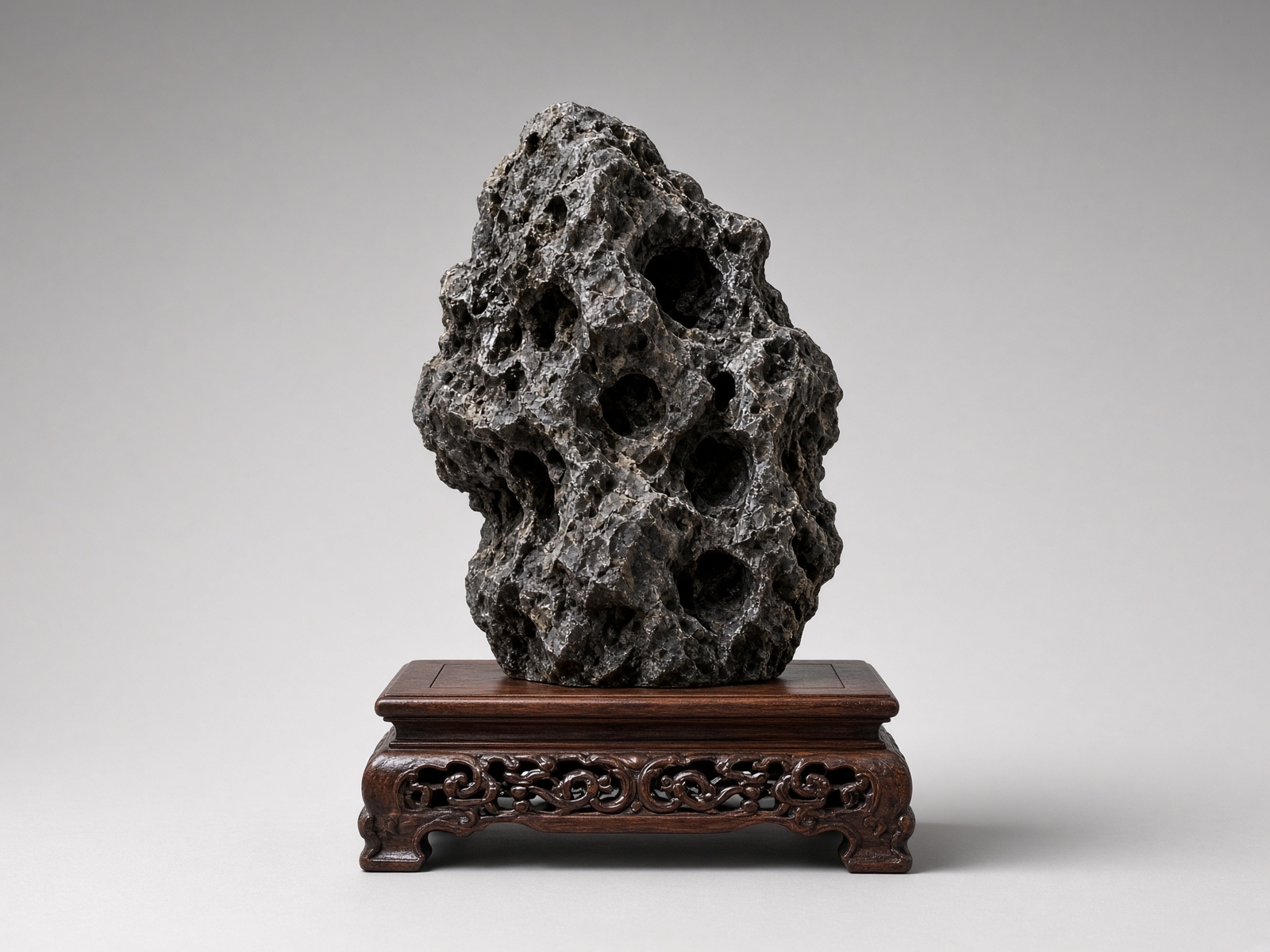
Scholars & Stones takes its English name from two companions of Chinese collecting: the person who looks, and the mountain brought to the desk. A scholar’s rock is not sculpture. It is a landscape small enough to live with — lean, wrinkled, hollowed, and still.
The Chinese name, 玄渊阁, is a pavilion over deep water. Xuan is the dark and the profound; yuan is a pool that does not show its floor; ge is a room raised for looking. The gallery was named for that kind of looking — slow, and without noise.
The collection
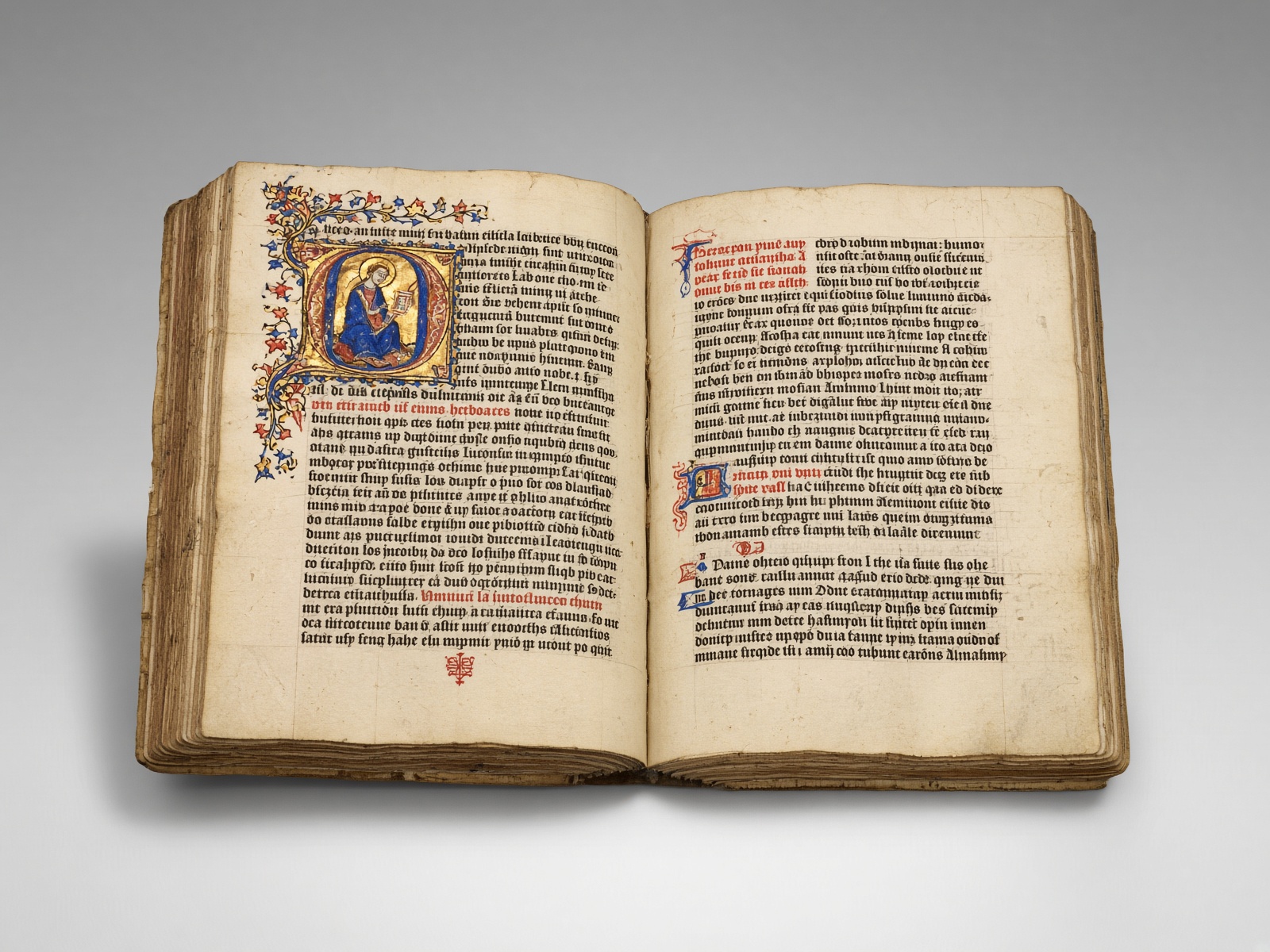
Three kinds of object hold the gallery’s attention. Literati painting — ink, and the quiet of a scholar’s hand. Objects of the studio: rocks, jade, the small furniture of looking and writing. And early European books and manuscripts of theology and natural science — volumes that once sat, as Chinese books did, on a working desk.
Oriental and European works are shown together not as a curiosity of geography, but because they share a scale and a patience: things made to be held, read, and looked at slowly.
Four rooms
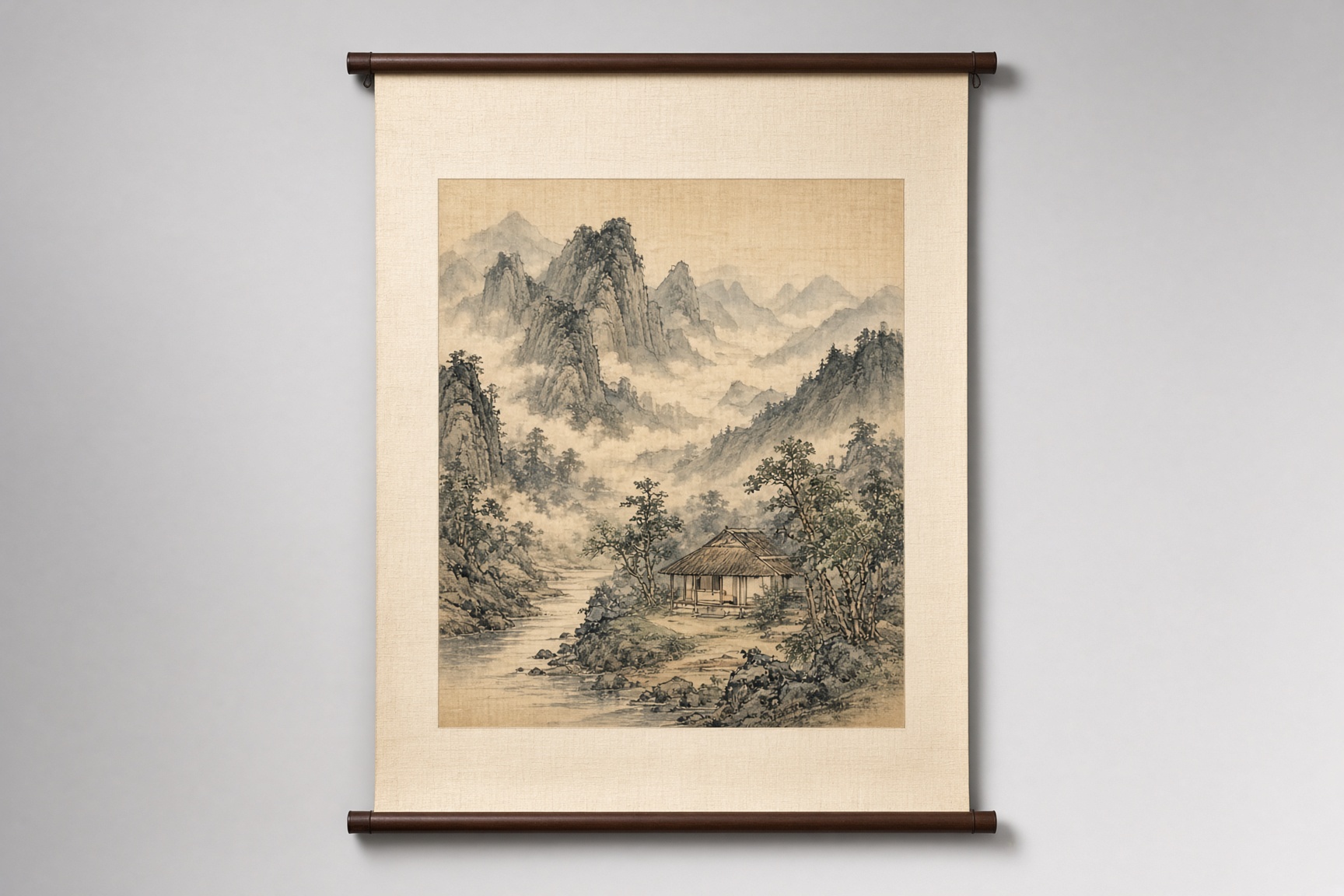
The collection is kept in four rooms, each with its own page. Fine Art gathers literati painting and works for the wall and the table. Books, Manuscripts & Scientific Instruments holds Chinese thread-bound volumes and early European theological and scientific texts, with the instruments that once accompanied them. Scholar Stones are mountains for the desk, and the jade of the study. Fine Jewelry is the small and the worn: bangles, kingfisher, gold locks, jadeite.